2004 World History
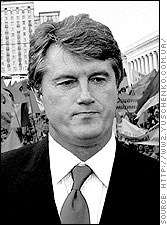 Viktor Yushchenko (1954– ) |
- 2004
- Former Enron CFO Andrew Fastow pleads guilty to defrauding Enron (Jan. 13). Bush proposes ambitious space program that includes flights to the Moon, Mars, and beyond (Jan. 14). Iraq weapons investigator David Kay resigns, says there’s no evidence of weapons of mass destruction, one of the Bush administration’s chief reasons for launching war in Iraq (Jan. 23). About one third of Iran's Parliament steps down to protest hard-line Guardian Council’s banning of more than 2,000 reformists from running in parliamentary elections (Feb. 1). A.Q. Khan, founder of Pakistan's nuclear program, admits he sold nuclear-weapons designs to other countries, including North Korea, Iran, and Libya (Feb. 4). Armed rebels in Haiti force President Aristide to resign and flee the country (Feb. 29). John Kerry secures Democratic nomination after winning nine out of ten primaries and caucuses (March 2). Spain is rocked by terrorist attacks, killing more than 200. Al-Qaeda takes responsibility (March 11). Spain's governing Popular Party loses election to opposition Socialists. Outcome seen as a reaction to terrorist attacks days before and Popular Party's support of the U.S.-led war in Iraq (March 14). North Atlantic Treaty Organization formally admits seven new countries: Bulgaria, Estonia, Latvia, Lithuania, Romania, Slovakia, and Slovenia (March 29). U.S. troops launch offensive in Falluja in response to killing and mutilation on March 31 of four U.S. civilian contractors. (April 5–May 1). Israeli prime minister Sharon announces plan to unilaterally withdraw from Gaza Strip (April 12). Greek Cypriots reject UN reunification plan with Turkish Cypriots (April 24). U.S. media release graphic photos of American soldiers abusing and sexually humiliating Iraqi prisoners at Abu Ghraib prison. Images spark outrage around the world (April 30). Gay marriages begin in Massachusetts, the first state in the country to legalize such unions (May 17). Sudan rebels (SPLA) and government reach accord to end 21-year civil war. However, separate war in western Darfur region between Arab militias and black Africans continues unabated (May 26). U.S. hands over power to Iraqi interim government; Iyad Allawi becomes prime minister (June 28). In Rasul v. Bush, Supreme Court rules that “enemy combatants” held at Guantánamo Bay, Cuba, are legally entitled to file petitions for writs of habeas corpus; and in Hamdi v. Rumsfeld, court rules that the detention of a U.S. citizen held as an enemy combatant is invalid, rejecting government's claim that the executive branch has unreviewable authority in time of war (June 28). Israeli Supreme Court orders removal of part of security barrier dividing Israeli and Palestinian lands (June 30). Senate Intelligence Committee reports that intelligence on Iraq's weapons programs was “overstated” and flawed (July 5). Sept. 11 commission harshly criticizes government’s handling of terrorist attacks (July 22). Democratic National Convention in Boston nominates John Kerry for president (July 26–29). Security Council demands Sudanese government disarm militias in Darfur that are massacring civilians (July 30). Florida hit by hurricanes Bonnie (Aug. 12) and Charley (Aug. 13). Summer Olympics take place in Athens, Greece (Aug. 13–29). Venezuelan president Hugo Chavez survives recall referendum (Aug. 16). Pentagon-sponsored Schlesinger report rejects idea that Abu Ghraib prison abuse was work of a few aberrant soldiers, and asserts there were “fundamental failures throughout all levels of command” (Aug. 24). Republican Convention in New York renominates President Bush (Aug. 30–Sept. 2). Chechen terrorists take about 1,200 schoolchildren and others hostage in Beslan, Russia; 340 people die when militants detonate explosives (Sept. 1–3). Hurricane Ivan ravages U.S. south (Sept. 15). U.S.’s final report on Iraq’s weapons finds no WMDs (Sept. 16). UN Atomic Energy Agency tells Iran to stop enriching uranium; a nascent nuclear weapons program suspected (Sept. 18). Bush eases trade restrictions on Libya (Sept. 20). Congress extends tax cuts due to expire at the end of 2005 (Sept. 23). Hurricane Jeanne hits Florida (Sept. 26). 380 tons of explosives reported missing in Iraq (Oct. 25). Bush reelected president (Nov. 2). U.S. troops launch attack on Falluja, stronghold of the Iraqi insurgency (Nov. 8). Yasir Arafat dies in Paris (Nov. 11). Ukraine presidential election declared fraudulent (Nov. 21). Red Cross alleges abuse at U.S.-run Guantánamo prison (Nov. 30). Hamid Karzai inaugurated as Afghanistan's first popularly elected president (Dec. 7). Missile test fails; setback for Bush administration's missile defense system (Dec. 15). Massive protests by supporters of opposition candidate Viktor Yushchenko's lead to a new Ukrainian election; Yushchenko eventually declared prime minister (Dec. 26). Enormous tsunami devastates Asia; at least 225,000 killed (Dec. 26).