Year in Review, 2008


2008 news of the world from Afghanistan to Zimbabwe
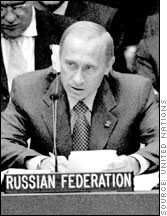
Conditions Deteriorate in Afghanistan | India Rocked By a Wave of Terrorist Attacks | Iraq on the Path Toward Effective Leadership | Hopes Are Dashed for Peace Between Israelis and Palestinians Under the Bush Administration | Kosovo Declares Independence | North Korea Continues Roller Coaster Diplomacy | Changing of the Guard in Pakistan | Russian-Georgian Conflict | Turmoil Within South Africa's Ruling Party | Elections Fail to Bring Change or Hope to Zimbabwe Putin Retains PowerRussian president Vladimir Putin stepped down in 2008—as required by term limits—after eight years in office, but he refused to relinquish power. Putin orchestrated his continued political dominance by heading the list of candidates on the United Russia ticket, the country's leading political party, in 2008's parliamentary elections. Indeed, United Russia won in a landslide, taking 64.1% of the vote, and Putin became prime minister. Historically, the post of prime minister has been largely ceremonial. Putin's ascension, however, clearly changed that convention. Putin used his sway over the media to stifle the opposition, which complained that the vote was rigged. Opposition leader and former chess champion Garry Kasparov said the election was "the most unfair and dirtiest in the whole history of modern Russia." In addition, Putin handpicked his successor, Dmitri Medvedev, who won March 2008's presidential election in a landslide, taking 67% of the vote. Medvedev, who is moderate and pro-Western, vowed to restore stability to Russia, but significant change in the government is not expected. In assembling a cabinet, Putin called on several members of his former administration For more information about Russia and Putin: |
- More from 2008 News of the World